
Welcome to Good Friends Animal Hospital
We offer veterinary services for every stage of your pet’s life, ensuring a lifetime of preventive care right here in Urbana, IL.
The Cat Friendly Practice® program is a global initiative designed to elevate cat care by reducing stress and making visits easier for cats and their caregivers. As a Cat Friendly Practice®, Good Friends takes extra steps to provide you and your cat with the best care and experience.
About Good Friends Animal Hospital
A Special Place for Your Four-Legged Friend
At Good Friends Animal Hospital, we consider it an honor to be involved in this critical endeavor of caring for your furry family members. We are a full-service veterinary hospital offering comprehensive medical, dental, surgical, and urgent care services to the people and pets of the Urbana, IL, Champaign, IL, and surrounding communities.
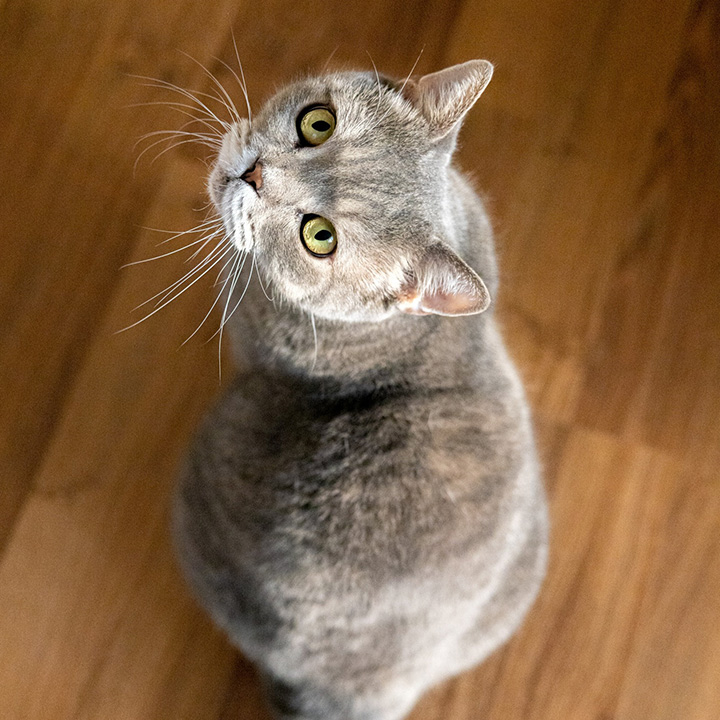
Complete Veterinary Care in Urbana, IL
We offer a wide range of veterinary services, from routine check-ups to specialized treatments to keep your pet healthy and thriving.



Meet Our Veterinary Team
Meet the committed veterinary team in Urbana, IL, where compassion meets knowledge! Our trained veterinarians and support team at Good Friends Animal Hospital are dedicated to providing excellent care for your cherished pets. With years of expertise and a true passion for animals, our team is committed to making each visit a wonderful experience for both you and your furry pets.
From essential check-ups to specialist treatments, we are here to help your pet’s health every step of the way. Meet the people behind our excellent care and discover why Good Friends Animal Hospital is the top option for Urbana pet owners.
Check out our Special Offers!
Looking for a new vet in Urbana, IL? Our veterinary team is currently accepting new clients, and we have a variety of discounts and other special offers available!

Kind Words from Our Clients
I have been bringing my pets (family members) here for years. I love how they treat me and my pets. Always sweet and kind, always ready to answer any questions I might have. I might be a little needy, worrying about things and wanting the best for my pets, but they always make me feel comfortable and heard. If you want the best treatment and care, this is the place to go. Thank you again to the veterinarians and the staff. They are number one!
Nada C.
I recently switched vet care for my senior French Bulldog to GFAH. I cannot say enough good things! Every staff member I have interacted with has been kind, professional, and knowledgeable. It was very easy to get in for an appointment. The veterinarian that we saw spent a lot of time with us and explained things clearly and most importantly my dog loved her! I am very thankful that we switched to Good Friends and would highly recommend them to anyone in the CU area needing vet care!